
Corporate travelers often joke that TSA stands for “Time Stolen Again,” especially when security lines stretch longer than their actual flights. One executive recently quipped that he spent more time removing his shoes at airports last year than he did at the beach. While commercial aviation treats passengers like sardines with frequent flyer numbers, private aviation recognizes that behind every flight request stands a professional with critical business objectives.
Private charter operates through a straightforward process where clients contact a provider such as Gold Aviation, specify their travel requirements, and receive a customized flight solution. Unlike commercial airlines with fixed schedules and routes, charter services adapt to passenger needs, offering departure times, aircraft selection, and destination flexibility that commercial carriers cannot match. The entire experience revolves around eliminating friction from business travel, allowing executives to focus on their objectives rather than logistics.
The transformation occurring within corporate travel reflects broader changes in how businesses value executive time and productivity. Research from the National Business Aviation Association indicates that companies utilizing private aviation report significant improvements in executive productivity and deal closure rates. These metrics matter particularly in South Florida’s dynamic business environment, where international commerce and domestic opportunities converge.
Professional aviation providers differentiate themselves through operational excellence rather than marketing promises. The most respected operators maintain impeccable safety records, invest heavily in aircraft maintenance, and employ pilots who view their role as facilitating business success rather than simply flying planes. These companies recognize that their true product extends beyond transportation to encompass reliability, discretion, and seamless execution.
Consider how Gold Aviation approaches client relationships, focusing on understanding business rhythms and travel patterns rather than pushing generic solutions. This consultative approach distinguishes serious operators from those treating private aviation as a commodity service. Executives evaluating providers should prioritize companies demonstrating deep understanding of corporate travel demands over those emphasizing aircraft aesthetics alone.
| Chart: Private Aviation Growth Projections |
|---|
|
In 2024: 45%
In 2025: 55%
2026 Projection: 70%
Business Travel Adoption Rate (% of Fortune 500 Executives Using Private Charter) |
The evolution of corporate travel preferences becomes apparent when examining how businesses allocate travel budgets. Forward-thinking companies increasingly view private aviation as an investment in competitive advantage rather than an expense category. This shift accelerates as organizations quantify the opportunity costs associated with travel delays, missed connections, and executive fatigue.
Pricing transparency remains crucial when selecting aviation partners. Reputable providers present comprehensive cost breakdowns that account for all variables affecting flight expenses. While hourly rates capture attention, savvy executives examine total trip costs, including positioning fees, crew expenses, and potential surcharges. Understanding these components enables informed comparisons between providers and ensures budget accuracy.
The following factors influence charter pricing:
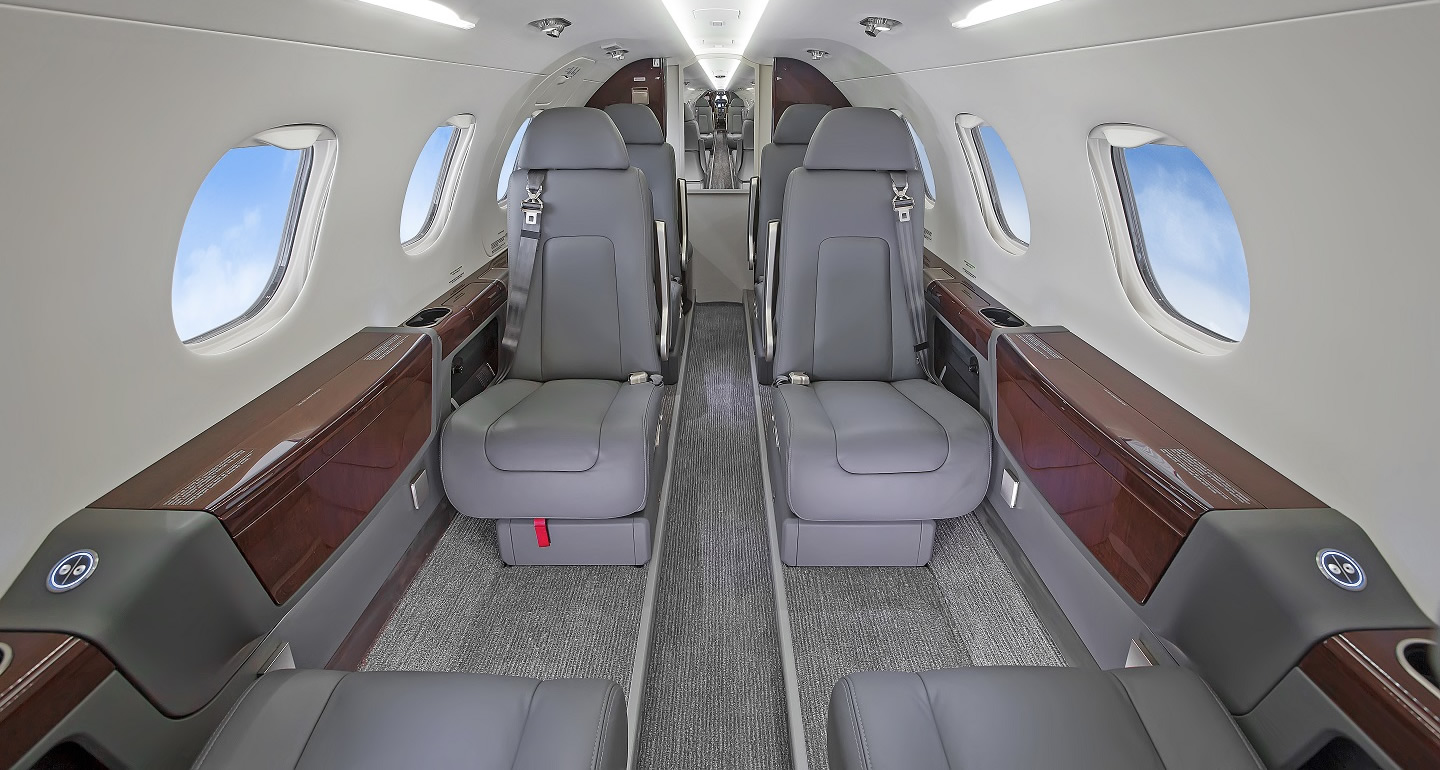
Smart executives recognize that lowest price rarely equates to best value in private aviation. Companies maintaining modern fleets, investing in pilot training, and prioritizing maintenance excellence typically command premium pricing that reflects their operational standards. These investments translate directly into reliability, safety, and service consistency that budget operators cannot match.
| Service Comparison | Commercial First Class | Private Charter |
|---|---|---|
| Average Total Travel Time | 4-6 hours (including check-in) | 1.5-2 hours |
| Schedule Flexibility | Fixed departure times | Depart on your schedule |
| Privacy for Business Calls | Limited | Complete |
| Productivity During Travel | Moderate | Maximum |
| Direct Route Availability | Major cities only | Any suitable airport |
Business aviation continues evolving to meet changing corporate demands. The integration of digital booking platforms, real-time aircraft tracking, and transparent pricing models makes private charter more accessible to companies previously considering it beyond reach. These technological advances, combined with increasing recognition of time value, position private aviation for substantial growth through 2026 and beyond.
South Florida’s unique geography and business landscape make it particularly suited for private aviation adoption. The region’s numerous airports, from Palm Beach to Key West, provide convenient access points that commercial carriers cannot match. International business connections to Latin America and the Caribbean further emphasize private aviation’s advantages for regional executives.
Private aviation transforms travel from necessary inconvenience into competitive advantage by eliminating delays, maximizing productivity, and ensuring executives arrive prepared for critical meetings rather than exhausted from commercial aviation frustrations.
Industry projections suggest continued expansion in corporate charter utilization as businesses quantify productivity gains against travel costs. Aviation analysts project that by 2026, over 60% of large corporations will incorporate private charter into their standard travel policies, recognizing its strategic value beyond simple transportation. This trend accelerates as younger executives, accustomed to on-demand services, assume leadership positions and reshape corporate travel expectations.
The decision to utilize private jet services ultimately reflects how organizations value executive time and operational efficiency. Companies that view travel as productive time rather than lost hours naturally gravitate toward solutions that maximize both. Gold Aviation’s charter services exemplify this philosophy, treating each flight as an opportunity to enhance client success rather than simply provide transportation.
While private charters can often accommodate same-day requests, booking 24 to 48 hours ahead ensures optimal aircraft selection and pricing. Peak travel periods or international destinations may require additional lead time for permits and logistics coordination.
Private aircraft access over 5,000 airports nationwide compared to approximately 500 served by commercial carriers. This includes executive airports closer to business districts, reducing ground transportation time significantly. In South Florida alone, private jets utilize dozens of airports commercial airlines never serve.
Aircraft capacity ranges from 4-passenger light jets to 19-passenger heavy jets, with most business charters utilizing midsize jets accommodating 7 to 9 passengers comfortably. Larger groups can charter multiple aircraft or select specialized configurations based on mission requirements.

Ready to reclaim hours lost to commercial aviation delays and transform travel time into productive work sessions? Contact our team to discover how private charter solutions align with your business objectives and travel requirements. Experience the difference when aviation adapts to your schedule rather than forcing you to adapt to theirs.


