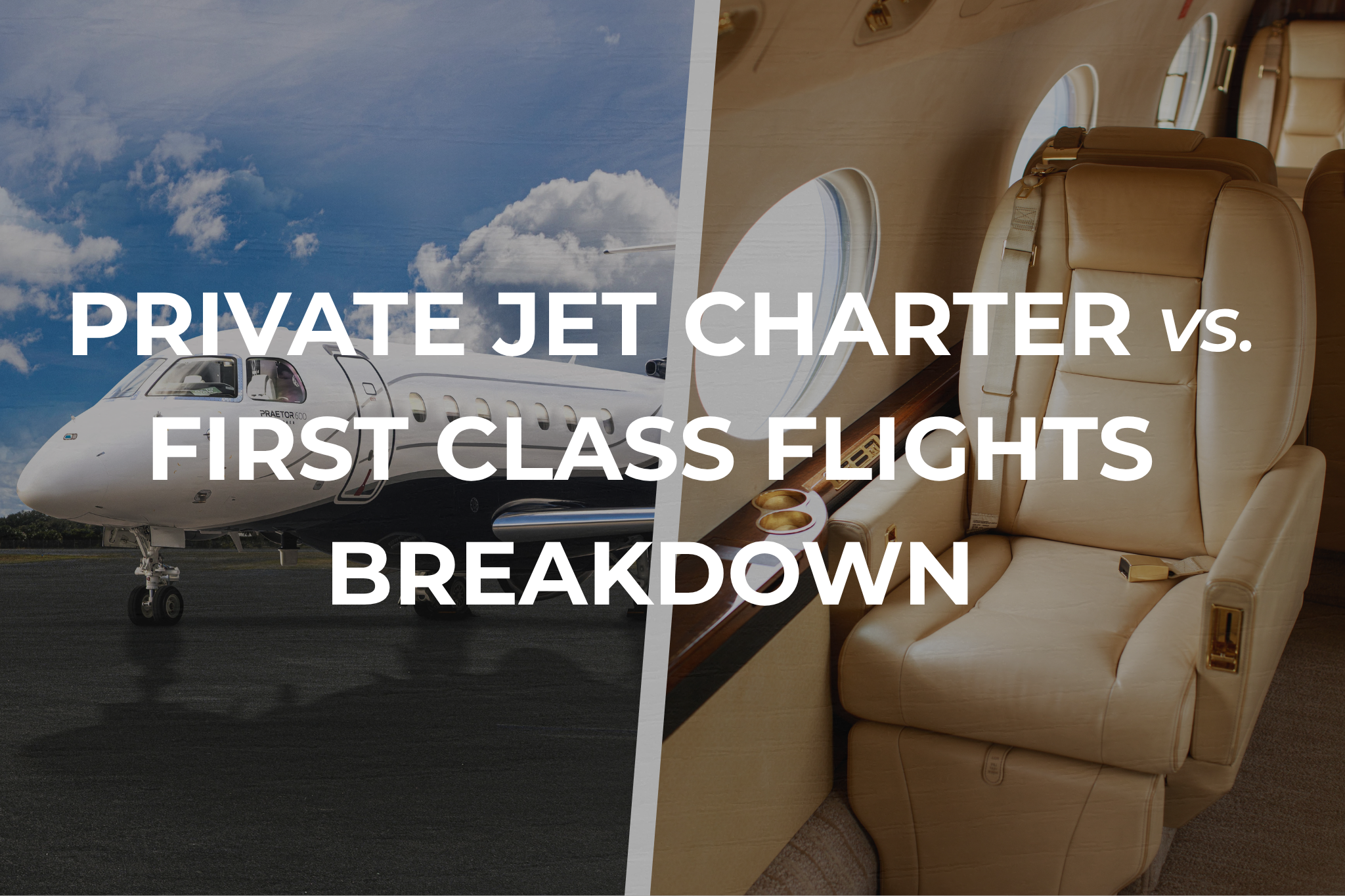
The choice between private jet charter vs. first class continues to raise important questions in 2025. Travelers with demanding schedules, urgent business needs, or group itineraries now look beyond traditional notions of luxury. Instead of chasing prestige or appearances, they focus on practical outcomes such as cost per seat, time saved, and personalized convenience.
This analysis will break down real-time comparisons across cost brackets, time efficiency, comfort levels, and use cases. With fresh benchmarks, examples, and analytics-backed insights, this blog will clarify which option delivers better value across different travel needs in 2025.
The private aviation industry continues to evolve in 2025 as charter jet demand climbs across markets. Data shows that post-pandemic, the global private jet market witnessed a significant surge, with charter volumes doubling compared to pre-2020 levels.
This growth spans both leisure and business segments, driven by tighter schedules, security concerns, and the desire to avoid crowded commercial terminals. Reports confirm the same trend: private jet charter flights are no longer reserved for celebrities or CEOs as they now appeal to entrepreneurs, investment groups, and family travelers seeking maximum value.
Corporate travel teams now request aircraft charters at record frequency, particularly for mid-size jets capable of nonstop travel between major financial hubs. As more businesses shift toward decentralized operations, access to secondary airports and faster check-in processes has become a key advantage. Private aviation provides that edge.
At the same time, first-class seats continue to serve a loyal market. However, they face growing competition, especially on shorter routes where time efficiency matters more than in-flight service features.
Cost often becomes the first point of comparison when travelers evaluate private jet charter vs. first class. On the surface, the gap appears wide. However, a closer look reveals more complexity. Chartering a private jet can range between $2,000 and $18,000 per flight hour, with premium aircraft like long-range Gulfstreams exceeding $30,000 per hour, according to Investopedia.
First class, on the other hand, remains more affordable for solo flyers. A ticket may cost anywhere between $400 and $6,000 depending on the airline, route, and season. Yet, when the group grows larger or the itinerary includes multiple stops, the economics shift in favor of chartering.
The following table compares costs across three flight scenarios:
| Route Type | First Class Cost (Per Person) | Private Jet Cost (Total) | Break-Even Passenger Count |
| 3-Hour Domestic | $1,200 | $10,000 | 12 |
| 6-Hour Transcontinental | $2,400 | $22,000 | 11 |
| 10-Hour International | $5,000 | $45,000 | 9 |
In a real-world scenario, a team of eight executives needs to fly across the country for a confidential board meeting. Booking eight first-class seats totals nearly $16,000 on a standard airline. In contrast, a mid-size jet charter may cost around $20,000. When the per-passenger cost narrows, the added privacy, time efficiency, and flexibility of a private jet make the investment more viable.
While ticket cost remains important, time often holds more value for business travelers and executives. This is where private aviation creates a strong advantage.

Commercial airlines operate through approximately 500 major airports in the United States. In contrast, private aircraft charter flights can access over 5,000 airports, including smaller regional facilities closer to final destinations. This extended access reduces ground travel time and opens up routes that first-class flights cannot support.
Beyond airport reach, private jet travelers avoid long lines, security checks, and boarding queues. The experience begins within minutes of arrival at a private terminal.
Meanwhile, commercial flyers face wait times at check-in, bag drop, security screening, and boarding zones. The difference grows with every leg added to a trip.
The table below outlines average time savings.
| Activity | First Class (Avg Time) | Private Jet (Avg Time) |
| Check-In | 30–60 minutes | 10 minutes |
| Security Clearance | 20–30 minutes | 5 minutes |
| Boarding | 20 minutes | 5 minutes |
| Layovers | 1–2 hours | 0 |
| Total Time Saved | — | 1.5 to 3.5 hours |
Beyond cost and time, personal comfort plays a significant role in choosing between first-class flight vs. private jet options.

Private aviation stands out by offering a cabin fully dedicated to the passenger group. Travelers enjoy full privacy, adjustable cabin configurations, personal service, and the ability to discuss confidential matters without interruptions. Business leaders often hold onboard meetings, review documents, or rest without external noise. Cabin crews cater to individual preferences with custom meals, drinks, and inflight entertainment.
Moreover, private jets offer freedom to carry valuable or oversized items that commercial airlines may restrict. Whether it’s a rare painting, sensitive equipment, or sporting gear, private charters provide flexible storage and direct handling by the flight crew.
On the other side, first class offers well-established luxury through curated amenities. Airlines provide private suites, gourmet dining, spa services, and in-flight bars.
Although first class delivers a high-end experience, it cannot match the exclusivity, scheduling control, and quiet working environment of a private jet. Each offers comfort, but the setting, use case, and flexibility differ in ways that influence value beyond the seat itself.
While the total cost of chartering a private jet may seem high at first glance, several strategies can reduce the price per seat significantly.
Empty-leg Flights
One of the most effective methods involves booking empty-leg flights. These one-way trips return aircraft to their base or reposition them for their next client. Since the aircraft must fly regardless, operators offer substantial discounts to fill those seats.
Group Sharing
Another way to preserve value involves group sharing. When a team, family, or client delegation splits the cost, the price per passenger becomes far more competitive. For instance, a $22,000 charter on a Phenom 300 for a cross-country trip turns into $2,750 per person with eight travelers.
Membership and Fractional Programs
Frequent flyers often explore membership and fractional programs. These allow clients to pre-purchase flight hours or own a share of a jet, which locks in rates, removes last-minute booking fees, and guarantees availability across select fleets. Many of these programs include concierge support and access to multiple aircraft types.
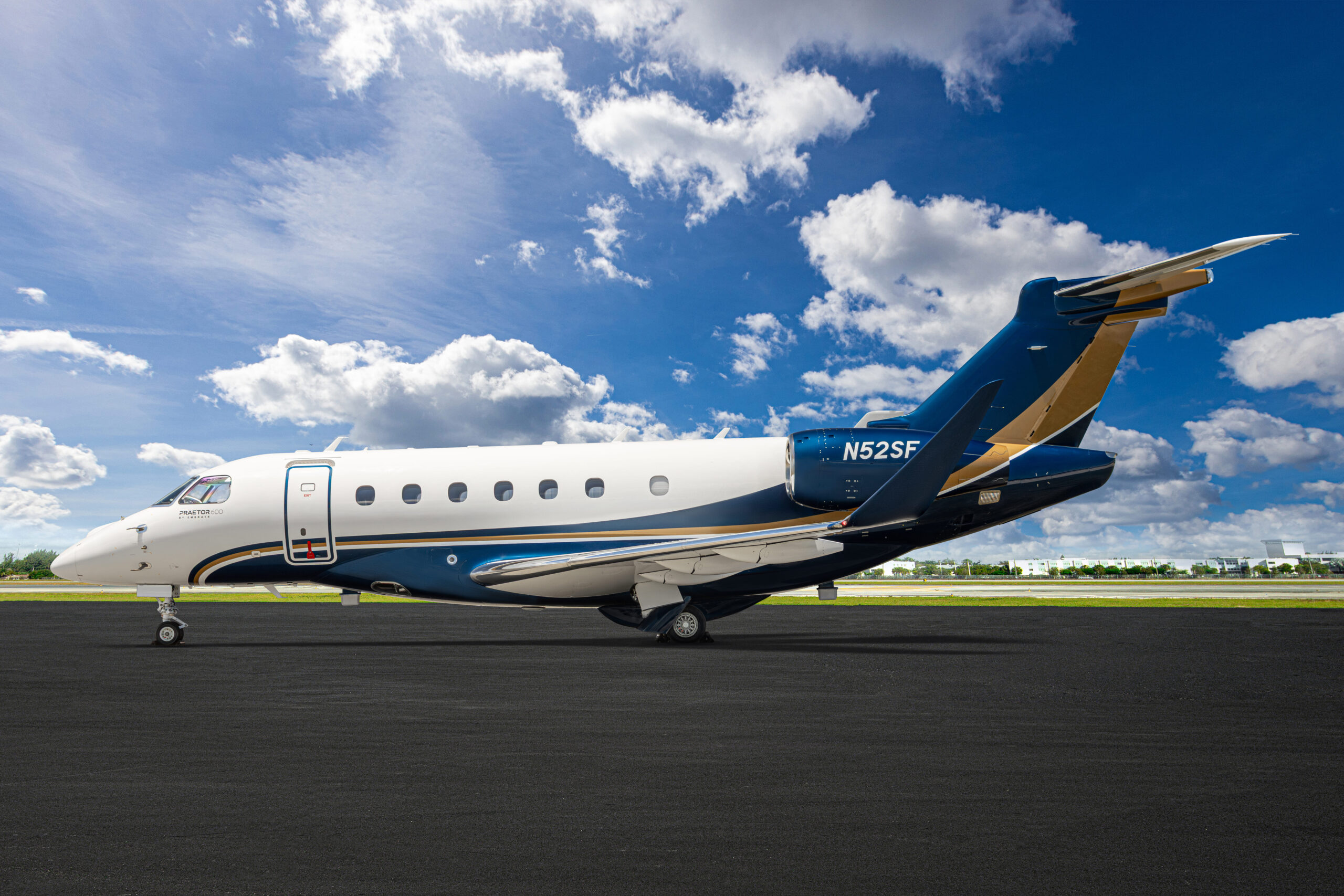
With Gold Aviation, clients can request personalized quotes tailored to their route, group size, and flight goals. The company offers fleet flexibility, including light jets like the Phenom 300 and midsize jets such as the Praetor 500 and 600, which suit a wide range of mission profiles.
How much does a private jet charter cost per hour in 2025?
Private jet charter rates in 2025 range between $2,000 and $18,000 per hour, depending on the aircraft type, route, and operator. VIP and long-range jets may exceed $30,000 per hour on specific routes.
How many passengers before a private jet becomes cost-competitive?
A private jet becomes cost-competitive with first class when the group size reaches seven to nine passengers, depending on flight length and ticket prices. For short domestic trips, even smaller groups may break even.
Do private jets save time over first-class flights?
Yes. Private jets save time by allowing travelers to skip airport crowds, security lines, and long boarding queues. Most trips eliminate layovers and use smaller airports closer to final destinations.
Is safety higher in a private charter or first class?
Both options meet strict safety standards. First-class flights operate under major commercial carriers with FAA oversight. Private charters, when booked through certified operators like Gold Aviation, meet or exceed the same safety protocols, including FAA Part 135 compliance and regular audits.
Choosing between private jet charter vs. first class depends on purpose, priorities, and travel dynamics. For group travel, executive missions, remote destinations, or confidential meetings, private jets provide better control, privacy, and time savings.
To decide which option suits your next trip, assess the full picture. Consider cost per passenger, time saved, airport access, and onboard needs. Then, request a custom quote from Gold Aviation. Our experienced team can design an itinerary that aligns with your goals, fleet preferences, and budget.


